
Where It Comes From & How It’s Made
_________________________________________________
Our Origins
Guatemala
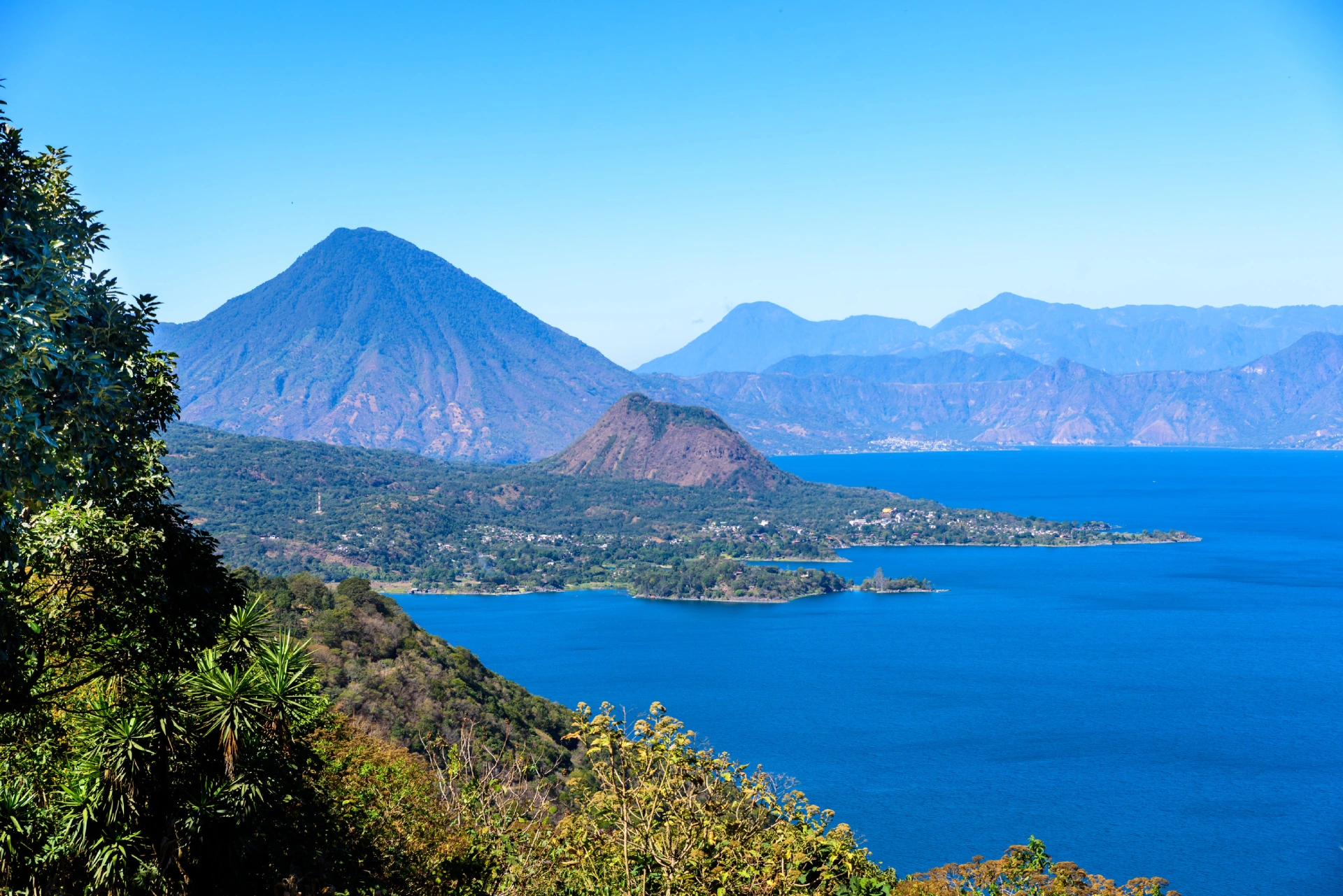
In Guatemala’s volcanic highlands, a curious fox darted through lush coffee plantations at 1,300–2,000 meters, its color echoing the rich, mineral-laden soils. The landscape, framed by active volcanoes like Fuego, stretched across regions like Antigua and Huehuetenango, where Arabica varieties- Bourbon and Caturra- thrived.
The creature paused in Antigua, enchanted by the cocoa and spice notes in the full-bodied cup, a gift from the volcanic ash. In Huehuetenango’s rocky highlands, it tasted brighter, with floral flavors like citrus and apple; the result of cooler, high-altitude microclimates.
Her earthy paws tread softly on the shaded slopes, where the rainy season nurtured the beans’ complexity. Strictly Hard Bean classifications at these elevations ensured a dense, flavorful brew, delighting the fox’s senses. The distant rumble of a volcano reminded her of the fiery spirit in Guatemala’s coffee, mirroring its own bold curiosity. Amidst the misty rainforests, the fox felt at home, one where she could blend seamlessly into the rugged terrain. Each sip revealed the harmony of tropical vibrancy and volcanic power, fueling the fox’s journey. She yipped in delight, ready to explore more.
Interested in learning more about our Guatemalan profile?
Brazil
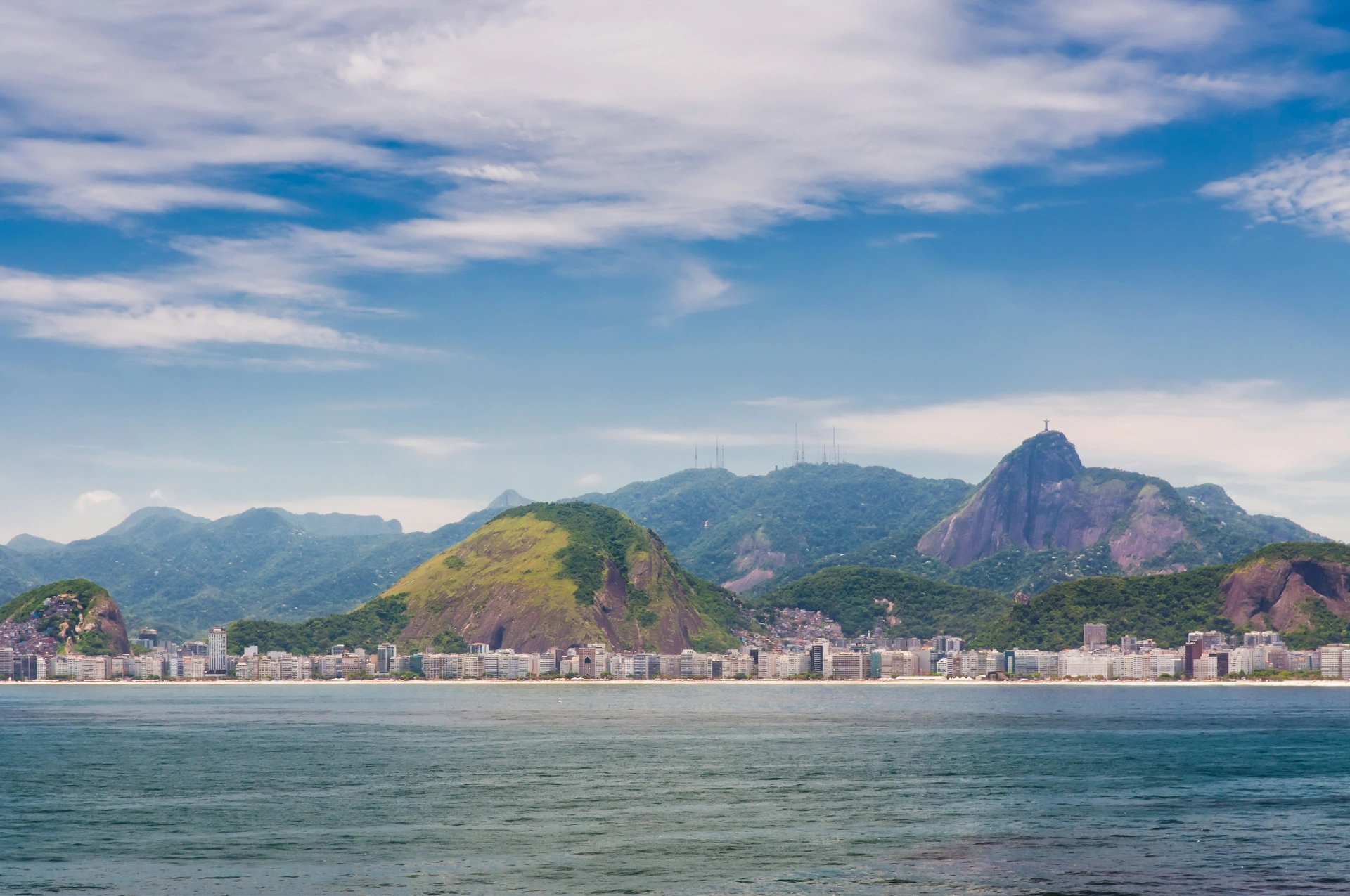
A little terracotta fox scampered across Brazil’s sun-drenched plains, its reddish hue blending with the iron-rich soils of Minas Gerais. Here, in the heart of the world’s largest coffee producer, plantations sprawl across rolling plateaus at 800–1,350 meters, basking in tropical warmth.
She sniffed the air, catching the creamy, nutty aroma of Brazilian Arabica— Bourbon and Mundo Novo varieties. In the Cerrado, there were beans with peanut and milk chocolate notes, their low acidity a result of moderate elevations. Nearby, in Mogiana’s terra roxa soils, the beans host hints of toffee and blueberry.
The landscape, with its gentle hills and unshaded farms, soaked up the sun, mirroring the animal’s warm, earthy tones. Bahia’s higher plateaus revealed a brighter surprise- peach and orange peel notes in the cocoa-rich brew. The inquisitive creature marveled at the natural processing, drying cherries in the sun, which amplified the coffee’s smooth body. With each sip, the little fox felt the comforting embrace of Brazil’s landscapes, a reflection of her own sun-kissed spirit. She trotted on, eager for the next coffee adventure.
Interested in learning more about our Brazilian profile?
Costa Rica
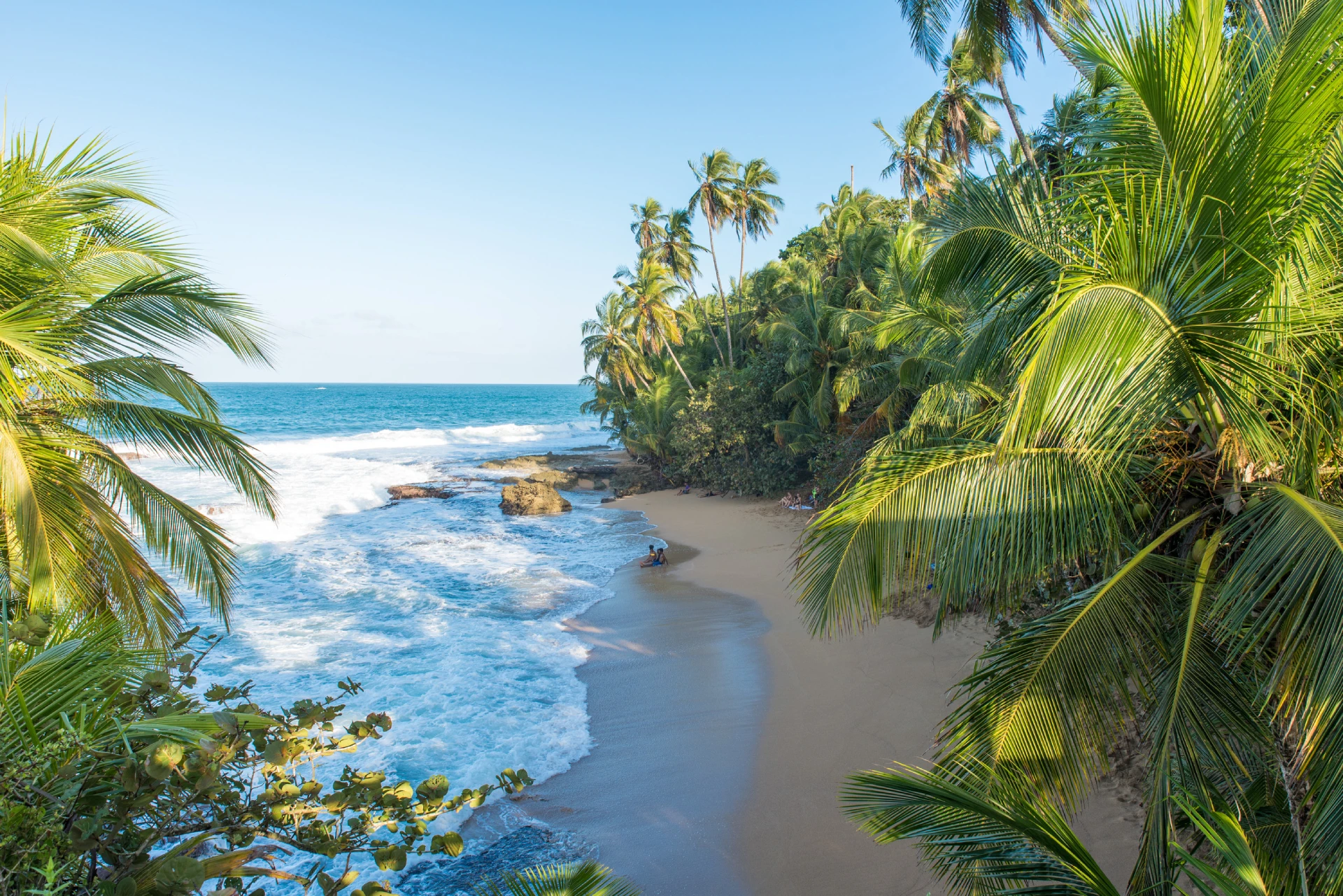
A curious terracotta fox roamed Costa Rica’s Central Valley, home to volcanic soils at 1,200–1,700 meters. The landscape, dotted with plantations in Tarrazú and Tres Ríos, shimmered under the shade of native trees, cradled by the Poás and Irazú volcanoes. Here, Arabica varieties like Catuai and Caturra flourished in the tropical climate, with distinct wet and dry seasons.
She sipped Tarrazú’s brew, its crisp acidity bursting with red apple, raspberry, and a cocoa finish, reflecting the steep, high-altitude slopes. In Tres Ríos, she found a balanced cup- peach and nutty notes with a silky body, shaped by cooler, rainy microclimates.
The caffeinated creature scampered through misty highlands, noting the Strictly Hard Bean classifications that promised vibrant flavours. Monteverde’s floral, lemon-zest notes at the highest elevations captivated the fox, who found that they complemented her own lively spirit. The volcanic terrain and lush forests felt like a playground, perfectly suiting her curious nature. With each clean, bright sip, the fox sensed the harmony of Costa Rica’s landscapes, fueling her adventure. She pranced onward, eager for more discoveries.
Interested in learning more about our Costa Rican profile?
Colombia
Tail swishing, nose twitching, a curious terracotta fox ventured into Colombia’s Coffee Axis, her warm hue reflecting the fertile Andean slopes at 1,200–2,000 meters. The landscape, spanning Antioquia, Huila, and Nariño, unfolded across three Andean ranges, with volcanic soils nurturing Arabica varieties like Typica and Castillo.
She sampled Huila’s vibrant brew, tasting cherry, caramel, and a zesty grapefruit finish, a result of equatorial sunlight and high altitudes. In Nariño, at the highest elevations, she discovered a juicier cup— peach, dark chocolate, and a wine-like acidity, thrilling to the senses. The terracotta fox darted through shaded farms, where the rainy seasons and meticulous wet-processing ensured a clean, silky texture. The Coffee Axis offered a classic profile- toffee, hazelnut, and a lemony finish, as comforting as a warm den.
The rugged terrain and tropical forests mirrored the fox’s adventurous spirit, with microclimates adding depth to every sip. Supremo and Excelso beans at these elevations promised consistency, a familiar delight in every sip. The volcanic richness and equatorial balance felt like home to the excited explorer. She howled softly, ready for the next coffee trail.
Interested in learning more about our Colombian profile?
Peru
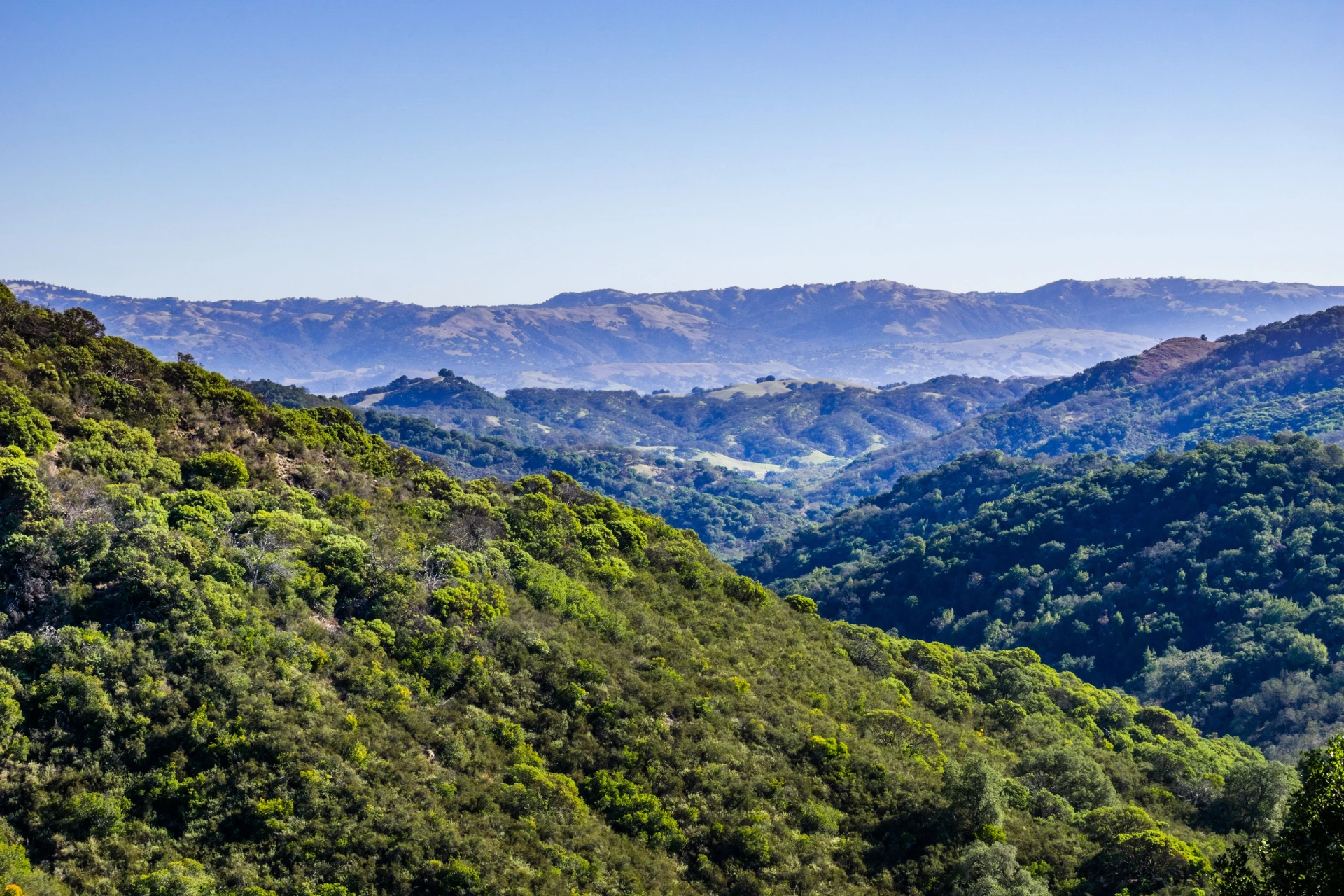
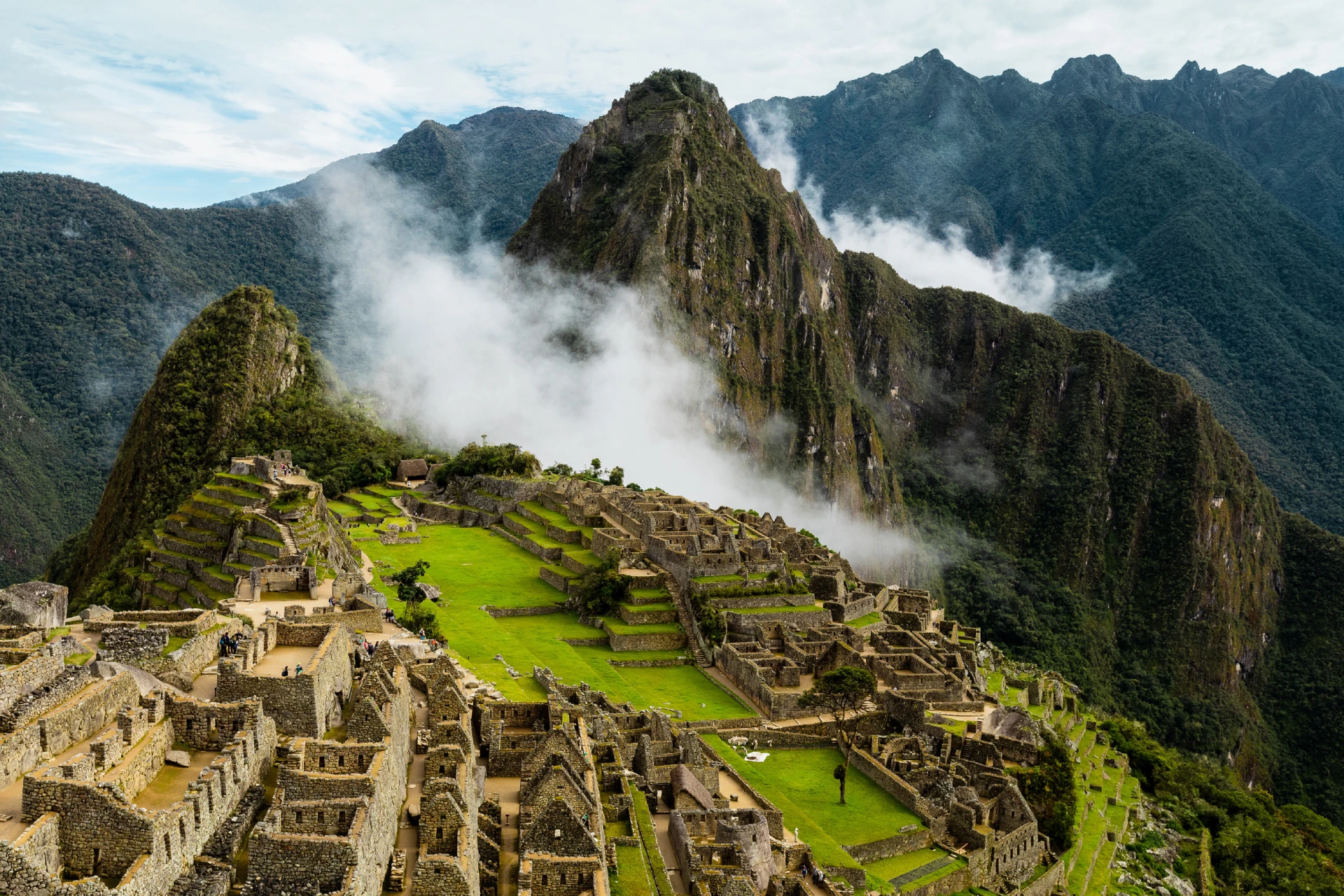
A curious terracotta fox wandered Peru’s eastern Andes, her color mirroring the volcanic soils at 1,200–2,000 meters in regions like Cajamarca and Cusco. The landscape unfolded with steep slopes and tropical forests, where Arabica varieties- Typica and Bourbon- grew under shade trees, kissed by Amazon humidity.
She tasted Cajamarca’s decaf brew, savoring milk chocolate, caramel, and almond notes, softened by the Swiss Water Process. In Cusco, near Machu Picchu, she found brighter flavors—peach, jasmine, and a gentle orange acidity, reflecting the misty, high-altitude jungle. Amazonas offered cocoa, brown sugar, and herbal hints, delighting the fox with its depth.
This cultured creature felt at ease among the organic farms, where rainy seasons nurtured the beans’ complexity. Strictly Hard Bean classifications at these elevations ensured a smooth, nuanced cup, even without caffeine. The Andean peaks and lush valleys echoed the fox’s earthy charm, making her feel at home. Each sip revealed the harmony of volcanic richness and tropical vibrancy, fueling the fox’s curiosity. She trotted on, eager for more caffeine-free adventures.
Interested in learning more about our Peruvian profile?
Sumatra
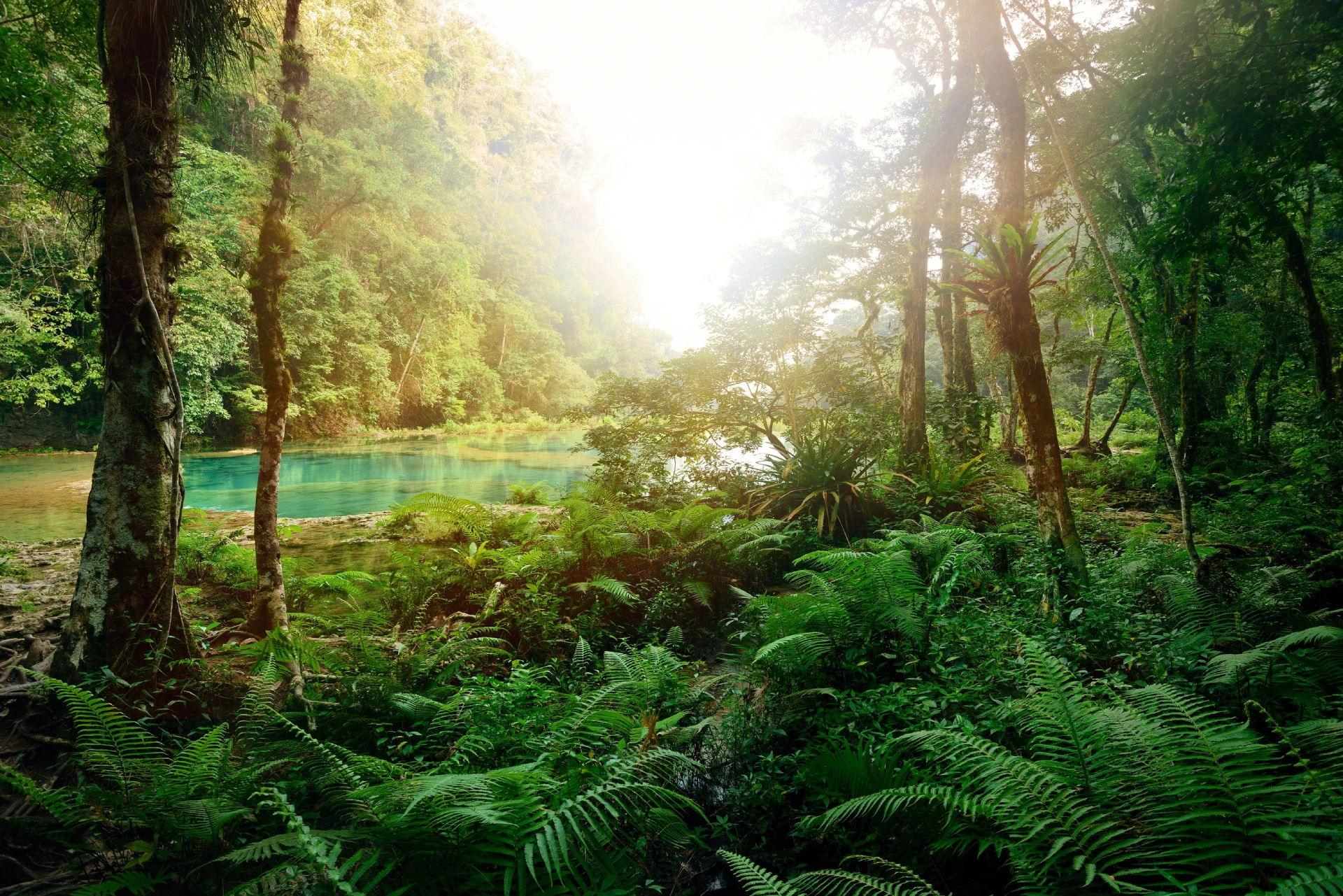
Prowling Sumatra’s tropical jungles, a little fox explored the volcanic soils at 800–1,500 meters in Aceh and North Sumatra. The landscape, dotted with plantations around Lake Toba and the Gayo highlands, buzzed with equatorial humidity and dense rainforests.
Arabica varieties like Typica and Catimor thrived here, processed using the wet-hulling method, giving the coffee a bold, earthy edge. The fox sipped Aceh Gayo’s brew, tasting dark chocolate, cedar, and a spicy cardamom hint, its heavy body a gift of the misty highlands. Near Lake Toba, she found dark cherry and mushroom-like notes, reflecting the lower, humid terrain.
The terracotta fox scampered through shaded farms, where frequent rainfall nurtured the beans’ wild character. The volcanic soils and traditional methods amplified the coffee’s rustic depth, thrilling to the senses. At higher elevations in Gayo, the flavors grew more nuanced. The untamed jungles and misty valleys felt like a playground for the curious fox- each bold sip fueled her wild spirit, urging her onward.
Interested in learning more about our Sumatran profile?
Mexico
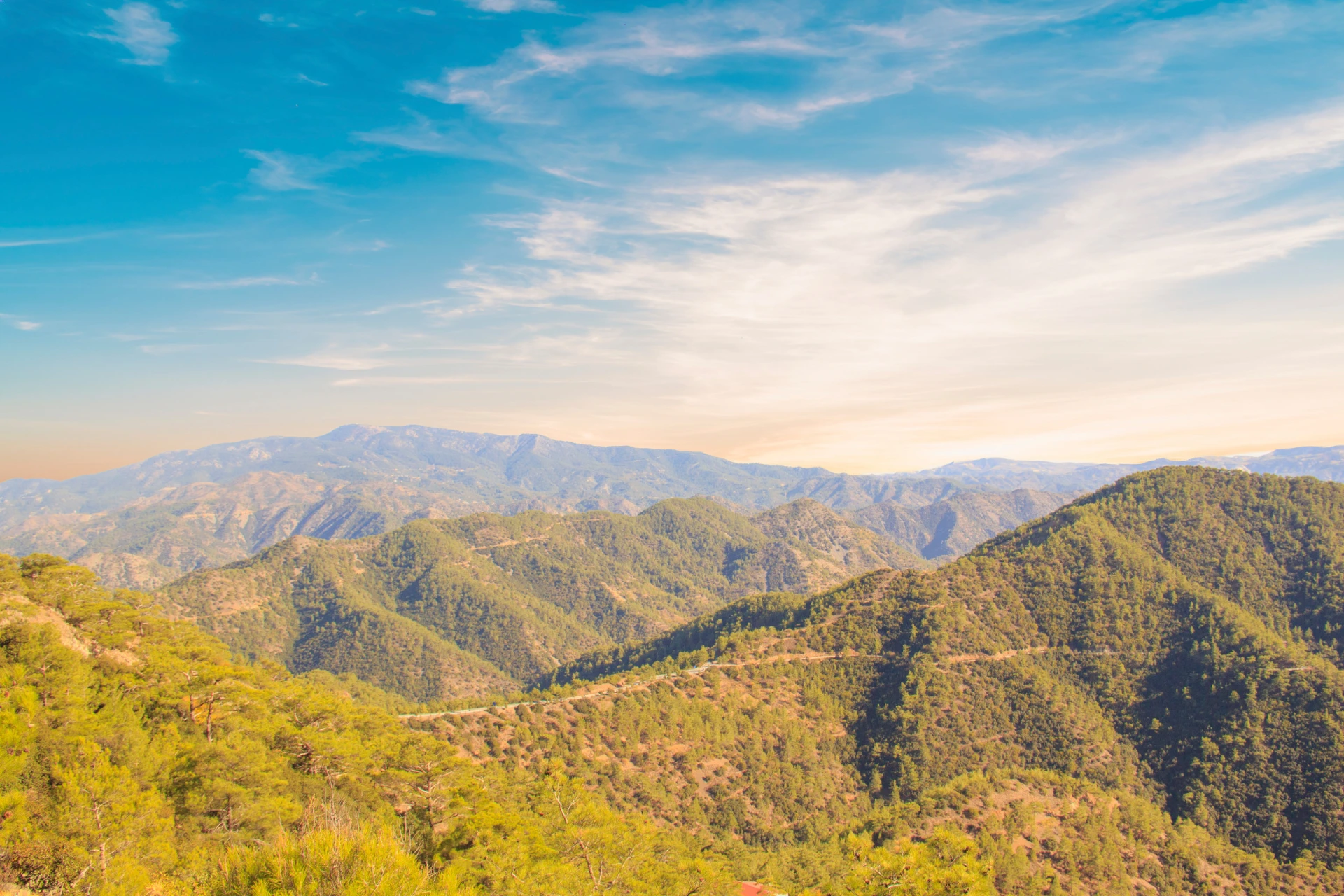
A curious creature on a caffeine quest explored Mexico’s Sierra Madre mountains, her color echoing the red clay soils at 900–1,700 meters in Chiapas, Oaxaca, and Veracruz. The landscape unfolded with volcanic slopes, tropical rainforests, and humid coastal plains, nurturing Arabica varieties like Typica and Bourbon.
The fox tasted Chiapas’ full-bodied brew, savoring almond, dark chocolate, and a tangerine finish, shaped by the misty, high-altitude microclimates. In Oaxaca, she found brighter notes— jasmine, peach, and crisp acidity, reflecting the cooler, mountainous terrain. Veracruz offered a softer cup- caramel, vanilla, and a cinnamon hint, influenced by the humid, lowland climate.
Encouraged, the sleek sipper darted through shaded farms, where the rainy season enriched the beans’ balance. Altura classifications at higher elevations ensured nuanced flavors. The rugged mountains and tropical warmth mirrored the fox’s adventurous spirit, making her feel at home. Each smooth, nutty sip revealed the harmony of volcanic richness and highland purity, fueling the fox’s journey. She yipped happily, ready for the next coffee discovery.
Interested in learning more about our Mexican profile?
Peru - Decaffeinated
Peruvian decaffeinated coffee, a refined single-origin option, retains the essence of its origins while offering a caffeine-free experience, grown in the country’s diverse landscapes and rugged geography, primarily featuring Arabica varieties like Typica, Bourbon, and Caturra. The coffee comes from regions such as Cajamarca, Amazonas, and Cusco, located on the eastern slopes of the Andes Mountains, with plantations typically at elevations between 1,200 and 2,000 meters (3,940 to 6,562 feet) above sea level. These high altitudes slow bean maturation, preserving flavor complexity even after decaffeination, often using the Swiss Water Process or mountain water method to maintain quality.
Read more about the Swiss Water Process (SWP) below!
Interested in learning more about our Decaffeinated Peruvian profile?
The Swiss Water Process (SWP)
The Swiss Water Process (SWP) is a chemical-free method used to decaffeinate Peruvian coffee, preserving its single-origin flavor while removing 99.9% of the caffeine.
Here’s how it works for Peru’s beans, which are often chosen for this process due to their nuanced profiles and organic cultivation:
Green Bean Preparation
The process begins with high-quality green (unroasted) Peruvian coffee beans, typically Arabica varieties like Typica or Bourbon, sourced from regions such as Cajamarca or Cusco. These beans, grown at elevations of 1,200–2,000 meters, are cleaned and pre-soaked in water to swell the cell structure, making the caffeine more accessible for extraction.
Creation of Green Coffee Extract (GCE)
A batch of green coffee beans (not necessarily Peruvian) is initially soaked in hot water to extract caffeine, oils, and flavor compounds. The caffeine is then filtered out using activated carbon filters, leaving a caffeine-free liquid called Green Coffee Extract (GCE). This GCE is saturated with the coffee’s natural flavor compounds… but lacks caffeine.
Decaffeination of Peruvian Beans
The Peruvian green beans are immersed in the GCE in large stainless steel tanks. Since the GCE is already saturated with flavor compounds, it won’t strip the beans of their taste. However, because the GCE has no caffeine, the caffeine in the Peruvian beans naturally migrates into the GCE through osmosis, seeking equilibrium. This process takes 8–10 hours, with the water kept at a controlled temperature (around 70–80°C or 158–176°F) to optimize extraction without damaging flavors.
Caffeine Removal from GCE
The GCE, now containing the extracted caffeine, is cycled through activated carbon filters again to remove the caffeine, refreshing the GCE for reuse. This cycle repeats until the Peruvian beans are nearly caffeine-free.
Drying & Finishing
The decaffeinated beans are removed, dried to a moisture content of about 10–12%, and prepared for roasting. The Swiss Water Process ensures minimal flavor loss, retaining the beans’ regional character, such as Cajamarca’s milk chocolate and caramel notes… or Cusco’s peach and jasmine hints.

This method, often used for Peruvian coffee due to its organic certification (SWP is certified organic), avoids chemical solvents like methylene chloride, relying solely on water and carbon filtration. The result is a decaffeinated Peruvian coffee that maintains its smooth, balanced profile with a clean finish, true to its high-altitude, volcanic origins.
Have Questions about the Swiss Water Process?